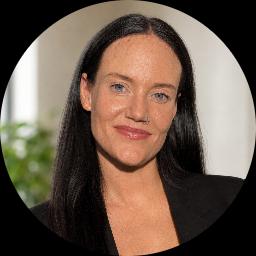
Counsellor profile
Lauren Lynch, AASW
Based in Australia · 15 years of experience
AASW social worker specialising in eating and anxiety issues
Continue with LaurenAt a glance
- Registration
- AASW, Australia (461419)
- Qualifications
- AASW
- Experience
- 15 years
- Languages
- English
- Based in
- Australia
Details come from information Lauren supplied to BetterHelp.
- Eating disorders
- Anxiety and depression
- Attachment issues
About Lauren
AASW Accredited Mental Health Social Worker, 15 years' experience. Lauren Lynch works from Perth, Western Australia, and focuses on eating disorders, body image, anxiety, depression, trauma, identity, relationships and self-worth.
Lauren works with adults and young adults who feel stuck in patterns such as overthinking, shame, self-criticism, people-pleasing, emotional overwhelm, perfectionism, avoidance or disconnection from themselves. She talks through how coping strategies that once helped can start to get in the way of daily life and recovery.
Her style is collaborative and practical. She draws on Acceptance and Commitment Therapy, cognitive behavioural approaches including CBT-E for eating disorders, Dialectical Behaviour Therapy skills, attachment-based ideas and trauma-informed practice. Sessions often include spotting the patterns that keep someone stuck and learning specific skills to regulate strong emotions.
Work with her may include improving communication, reducing avoidance, building self-compassion and reconnecting with personal values. For eating and food-related issues she applies focused care that recognises those problems often link to control, identity, shame or past trauma rather than just food or weight.
She identifies as an Aboriginal and queer clinician and states a commitment to culturally respectful, inclusive and affirming counselling. Lauren welcomes Aboriginal and Torres Strait Islander clients, First Nations clients, LGBTQIA+ clients and people from diverse cultural backgrounds.
Practical goals and clearer daily coping strategies are commonly emphasised in her sessions. People who want straightforward, skills-focused counselling that also pays attention to identity and belonging may find this approach helpful.
Approaches used in online counselling and how they help
Acceptance and Commitment Therapy (ACT) focuses on noticing thoughts and values-based action. It helps when worry, avoidance or perfectionism stop someone living the life they want. Cognitive Behavioural Therapy (CBT) aims to identify unhelpful thinking and behaviour patterns and teach practical skills to reduce anxiety, depression and disruptive habits such as disordered eating.Finding the right approach is part of the work. The counsellor will discuss options and collaboratively agree what to try first, based on a person's goals, preferences and what has or has not helped before. That choice can change as progress is made.
Confirm the available session formats before booking, as formats are not listed here. Online counselling can make it easier to fit sessions into everyday life, for example by avoiding travel, allowing shorter check-ins during busy days, or letting people choose not to use video if they prefer. It can also support consistent follow-up for skills practice between sessions. If you need clarification about how sessions are run, check the counsellor's current options before you schedule.
Areas of expertise
Primary focus
Also works with
Additional focus areas
Therapeutic approaches
Experience
15+ years
Listed in
Australia
Languages
English
Frequently asked questions
What concerns does she work with?
She works with stress, anxiety, trauma and abuse, eating and food-related issues, self-esteem, depression, grief, relationship and intimacy-related issues, sleeping problems, parenting stress, career and coping with life changes, and compassion fatigue.
What therapeutic approaches does she use?
Her practice draws on Acceptance and Commitment Therapy, cognitive behavioural approaches including CBT-E for eating disorders, Dialectical Behaviour Therapy skills, attachment-based ideas and client-centred principles.
How much experience does she have?
She has 15 years of experience working in mental health and social work contexts.
What are her credentials and where is she based?
She is an AASW Accredited Mental Health Social Worker based in Australia, practising from Perth, Western Australia.
Does she work in languages other than English?
Sessions are offered in English.
Can international clients book sessions?
She does not accept international clients at this time.
How are sessions scheduled and what does it cost?
Cost varies with location; sessions use a subscription that can be cancelled at any time.
How do I begin counselling with her?
Select the See online counselling options button, complete a short matching questionnaire, and schedule a first session.
Checking a registration
Professional bodies keep public registers. If Lauren lists a membership, you can look it up on that body's own website:
Online counselling is not emergency or medical care. In immediate danger? Crisis numbers